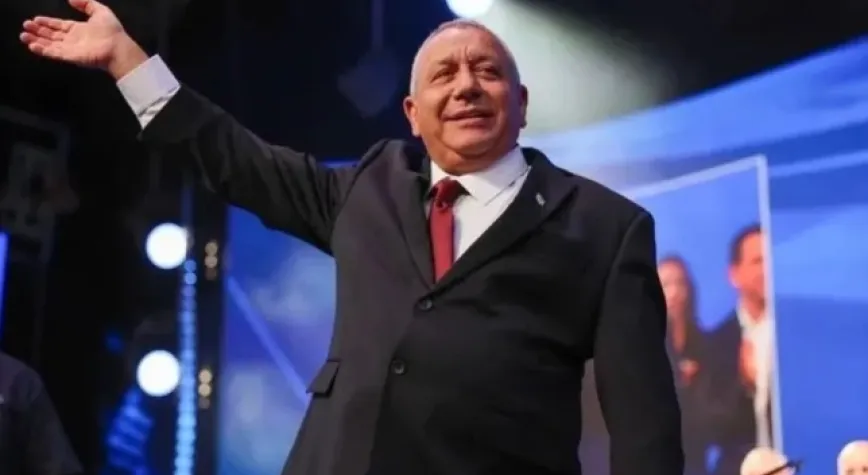
Israel's political landscape has entered a new phase following the parliamentary elections, as President Isaac Herzog announced his decision to entrust opposition leader Gadi Eisenkot with forming the country's next government. Eisenkot secured the backing of 67 lawmakers during consultations, placing him in a position to begin coalition negotiations.
Eisenkot Chosen Over Netanyahu
A significant development has emerged in Israel's government formation process following the parliamentary elections held on October 27, 2026.
President Isaac Herzog announced that he would assign Gadi Eisenkot, leader of the Yashar Party, the task of forming a new government after completing consultations with representatives of the political parties elected to the Knesset.
The decision came after the political bloc led by Prime Minister Benjamin Netanyahu failed to secure the parliamentary majority required to form a government.
Eisenkot Receives Support From 67 Lawmakers
Israel's 120-seat parliament, the Knesset, requires the support of at least 61 members to establish a governing majority.
According to the results of the presidential consultations, 67 lawmakers recommended Eisenkot for the role of prime minister, while Netanyahu received the backing of 46 members.
The election results left no single political bloc with an outright majority, making negotiations and cooperation among different parties essential to forming a new administration.
Arab Parties Play a Key Role in Coalition Talks
Political parties representing Palestinian citizens of Israel have emerged as important participants in the government formation process.
The Joint List and the United Arab List supported Eisenkot's nomination, helping him secure a majority of recommendations during the presidential consultations.
However, their endorsement does not necessarily mean that they will formally join a future coalition government. Their potential role in the next administration remains subject to further political negotiations.
Eisenkot Expected to Receive a 28-Day Mandate
According to the announcement from President Herzog's office, the formal ceremony to assign Eisenkot the task of forming a government is scheduled for Sunday, November 8, 2026.
Once officially appointed, Eisenkot will have 28 days to negotiate and establish a governing coalition.
Under Israeli law, the president may grant an additional 14 days if more time is required.
Whether Eisenkot can successfully assemble a parliamentary majority and establish a new government will depend on the outcome of negotiations among Israel's political parties in the coming weeks.
Anamur Bülten | International News